
Building Faster: How Modern Businesses Turn Ideas into Real Solutions
In many organizations, strong ideas get stuck in long planning cycles, buried under layers of approvals, or delayed by competing priorities. By the time something is finally built, the market has shifted, customer expectations have changed, and the opportunity has lost its edge.

Empowering Institutions with Salesforce Education Cloud
Education institutions today face growing expectations from students, faculty, and communities. Students expect personalized support, seamless digital experiences, and meaningful engagement throughout their educational journey.

Innovating Financial Services with Salesforce Financial Services Cloud
The financial services industry is undergoing a major transformation. Digital technologies, changing customer expectations, and evolving regulatory requirements are reshaping how financial institutions operate and engage with their clients.

Driving Customer Engagement with Salesforce Marketing Cloud
In today’s digital landscape, customers interact with brands across more channels than ever before. From social media and email to mobile apps and websites, the modern customer journey is complex, dynamic, and constantly evolving.

Transforming Customer Support with Salesforce Service Cloud
Customer expectations are evolving faster than ever. Today’s customers expect immediate responses, personalized service, and seamless interactions across every channel. Whether they’re reaching out through email, live chat, social media, or phone, customers want support that feels connected, informed, and efficient. For many organizations, meeting these expectations has become increasingly challenging. Support teams often work […]

Salesforce Isn’t Hard
Why Salesforce Gets a Bad Reputation Spend a few minutes on Reddit and you’ll see it: “Salesforce is clunky.”“Salesforce is slow.”“Salesforce is painful to use.” Yet the same platform runs some of the world’s most efficient sales, service, and operations teams. So what gives? The uncomfortable truth is this: Salesforce isn’t hard, bad implementations are. […]
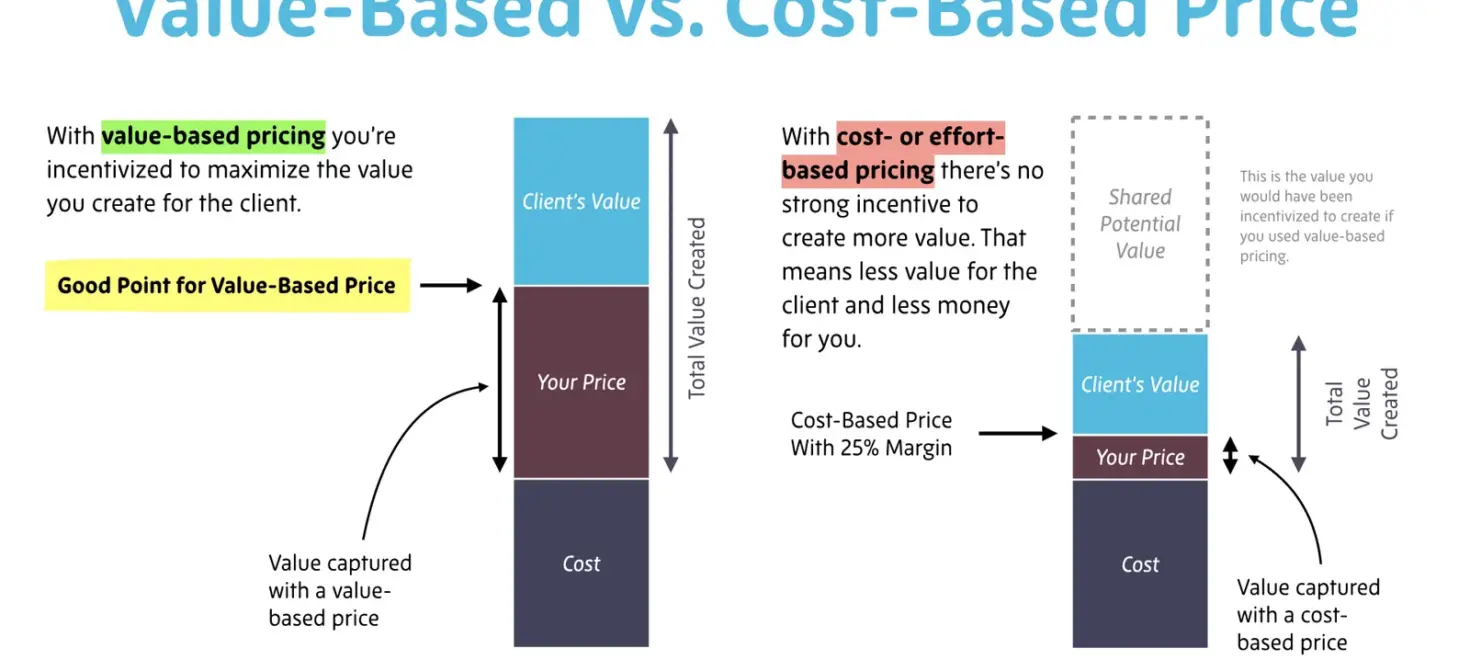
Why Salesforce Feels Expensive (And How to Make It Worth Every Pound)
Introduction: “Salesforce Is Too Expensive” — Is It Really? One of the most common criticisms of Salesforce — especially on Reddit — is cost. Licenses feel high.Consultants feel expensive.Customisation feels never-ending. It’s easy to conclude that Salesforce simply costs too much.But in reality, Salesforce only feels expensive when it’s not delivering value. At JSBC Labs, […]
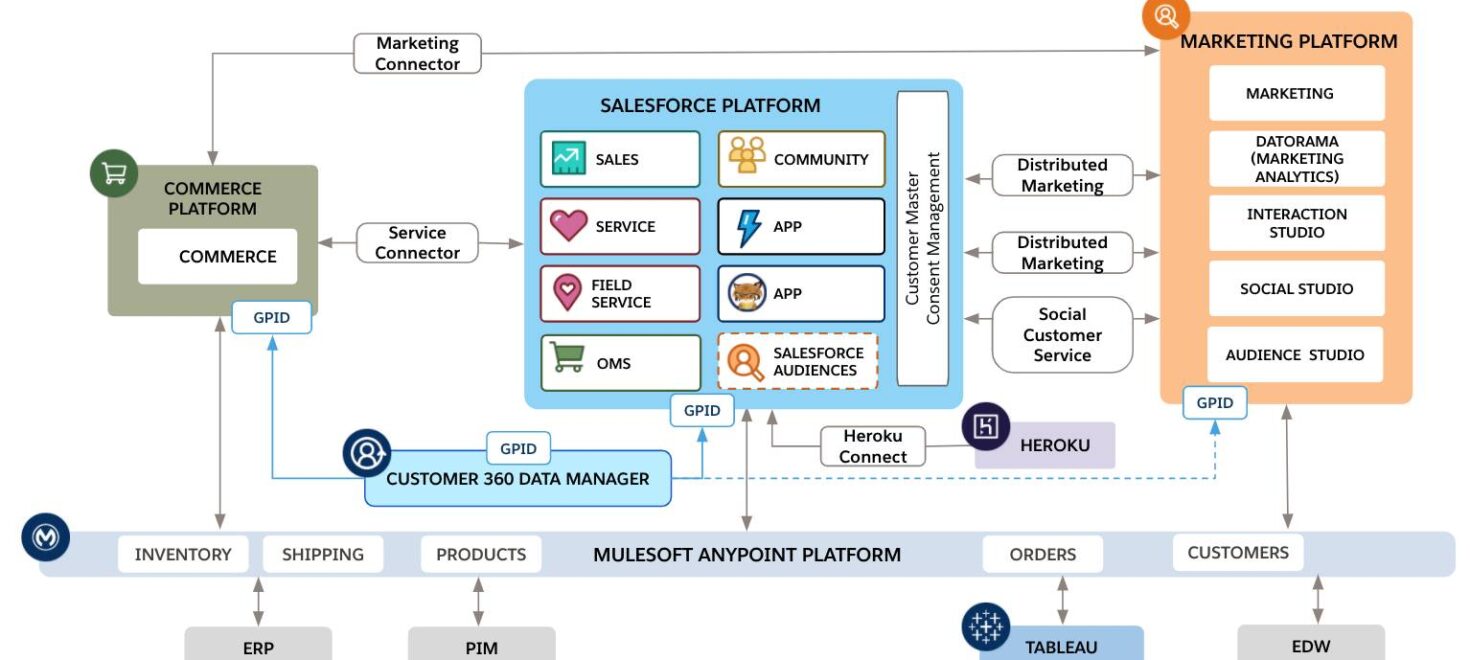
What Salesforce Actually Does and Why Serious Businesses Still Choose It
Why Everyone Talks About Salesforce…But Few Explain It Well Ask ten people what Salesforce does and you’ll get ten different answers. Some say it’s a sales tool.Others call it a database.On Reddit, you’ll often see people asking “Why is it so expensive?” or “Why does every company use it?” The confusion exists because Salesforce isn’t […]
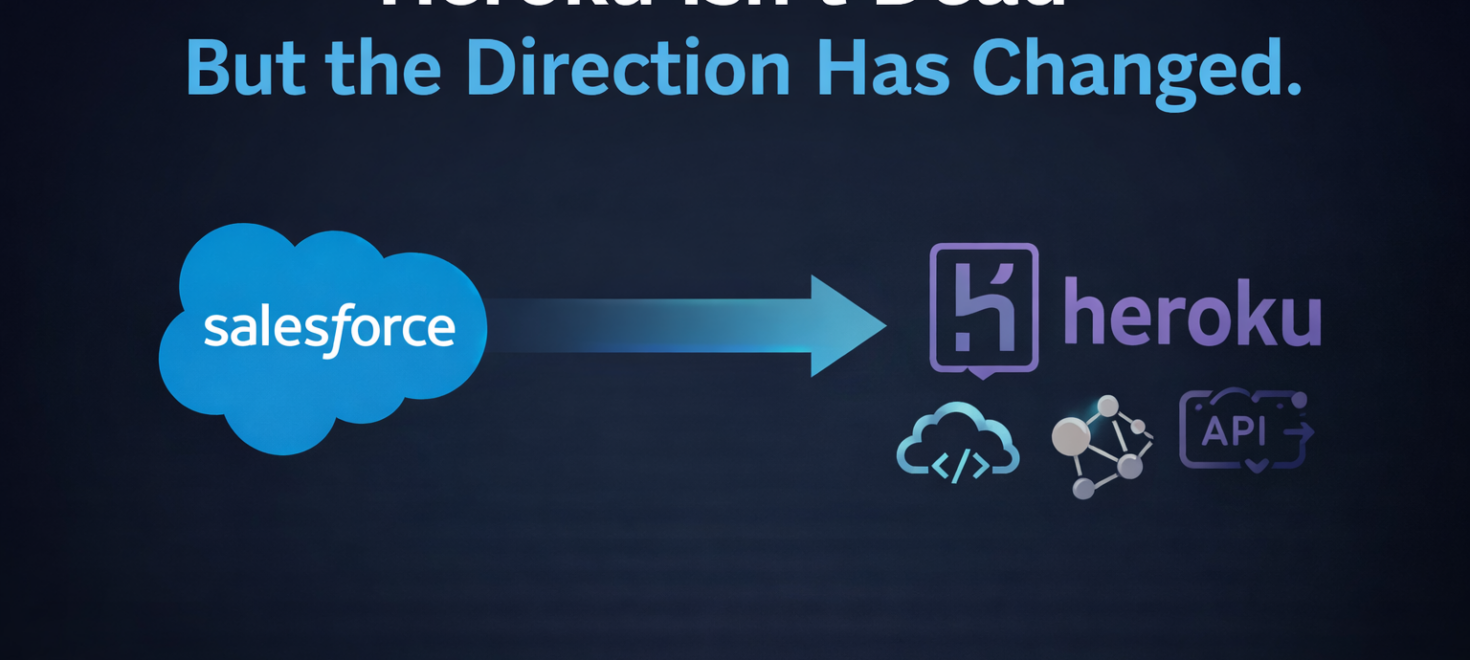
Salesforce Ends Enterprise Heroku Sales: What It Means — and What to Do Next
Over the past few days, headlines and social posts have claimed that “Salesforce has ended Heroku.”That statement is not fully accurate, but it does point to a meaningful strategic shift that Salesforce customers should understand. Salesforce has ended new enterprise sales of Heroku, meaning large-scale, contract-based Heroku offerings are no longer being sold to new customers. […]

Why Recruitment Feels Harder Than It Used To
On paper, recruitment should be easier than ever. There’s more technology, more data, more automation, and more tools designed to support recruiters at every stage of the process. Yet speak to almost any recruiter and you’ll hear the same thing: “It feels harder than it used to.” That feeling isn’t imagined, and it’s not because […]


