Why Everyone Talks About Salesforce…But Few Explain It Well
Ask ten people what Salesforce does and you’ll get ten different answers.
Some say it’s a sales tool.
Others call it a database.
On Reddit, you’ll often see people asking “Why is it so expensive?” or “Why does every company use it?”
The confusion exists because Salesforce isn’t a single tool.
It’s a business platform — and that distinction matters.
At JSBC Labs, we’ve seen Salesforce misunderstood more than almost any other enterprise system. When implemented poorly, it feels bloated. When implemented properly, it becomes the backbone of a business.
Salesforce Is Not “Just a CRM”
Yes, Salesforce started as a CRM.
But today, it functions more like a business operating system.
At its core, Salesforce enables companies to:
- Centralise customer and operational data
- Automate workflows across teams
- Integrate external systems into one source of truth
- Measure performance in real time
- Scale without rebuilding systems every few years
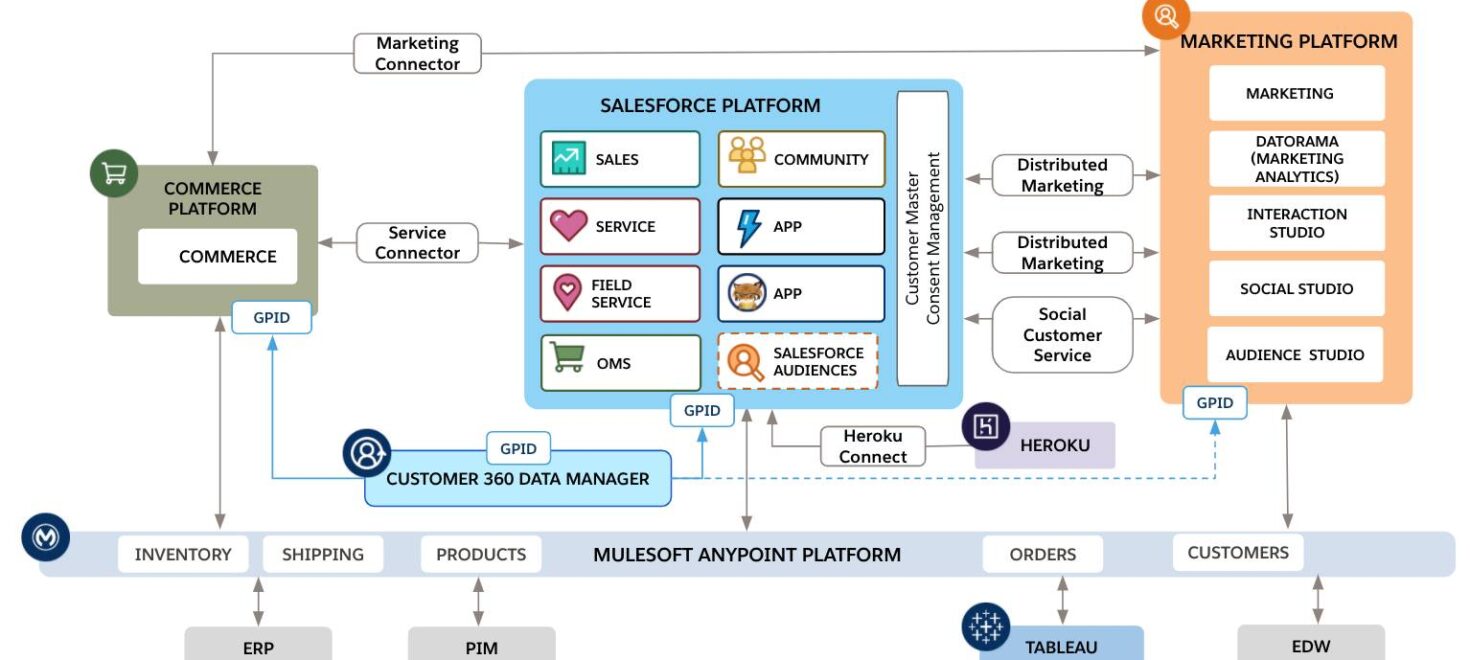
Salesforce Sales Cloud, Service Cloud, Marketing Cloud, Data Cloud, and Industry Clouds all sit on the same platform, sharing security, data, and automation.
This is why global organisations don’t “install Salesforce.”
They standardise on it.
Why Salesforce Feels Overwhelming to New Users
Many Reddit threads describe Salesforce as:
- “Clunky”
- “Overcomplicated”
- “Hard to learn”
In almost every case, the issue isn’t Salesforce itself — it’s how it was designed.
Salesforce is highly flexible. That flexibility means:
- Poor decisions get baked in
- Over-customisation creates noise
- Bad page layouts frustrate users
- Manual processes persist where automation should exist
Salesforce doesn’t force good design — it enables it.
What Salesforce Does Exceptionally Well
When implemented with intent, Salesforce excels at:
1. Acting as a Single Source of Truth
Sales, service, operations, finance, and marketing all work from the same data.
2. Automating Work, Not Just Tracking It
Approvals, follow-ups, onboarding, compliance checks, and notifications run automatically.
3. Integrating Everything
ERP systems, finance tools, websites, WhatsApp, email, analytics platforms — Salesforce connects them all.
4. Scaling Without Rebuilds
Businesses grow. Salesforce grows with them without needing a rewrite.
This is why companies that outgrow spreadsheets or lightweight CRMs almost always land on Salesforce.
Why Serious Businesses Still Choose Salesforce
Despite online complaints, Salesforce remains the global CRM leader because it offers:
- Enterprise-grade security and compliance
- Proven scalability
- Vendor neutrality
- A massive ecosystem (AppExchange)
- Continuous innovation without disruptive upgrades
Companies don’t choose Salesforce because it’s trendy.
They choose it because replacing it later is far more expensive.
The JSBC Labs Perspective
At JSBC Labs, we see Salesforce succeed when it’s treated as:
- An operational platform — not a form-filling exercise
- A long-term asset — not a quick deployment
- A business tool — not just an IT project
Salesforce works best when users don’t notice it.
They simply move faster, with better data and fewer manual tasks.
Final Thought
Salesforce isn’t confusing by nature.
It’s powerful… and power requires structure.
When Salesforce is designed around people, processes, and outcomes, it becomes one of the most valuable systems in a business.