Introduction: “Salesforce Is Too Expensive” — Is It Really?
One of the most common criticisms of Salesforce — especially on Reddit — is cost.
Licenses feel high.
Consultants feel expensive.
Customisation feels never-ending.
It’s easy to conclude that Salesforce simply costs too much.
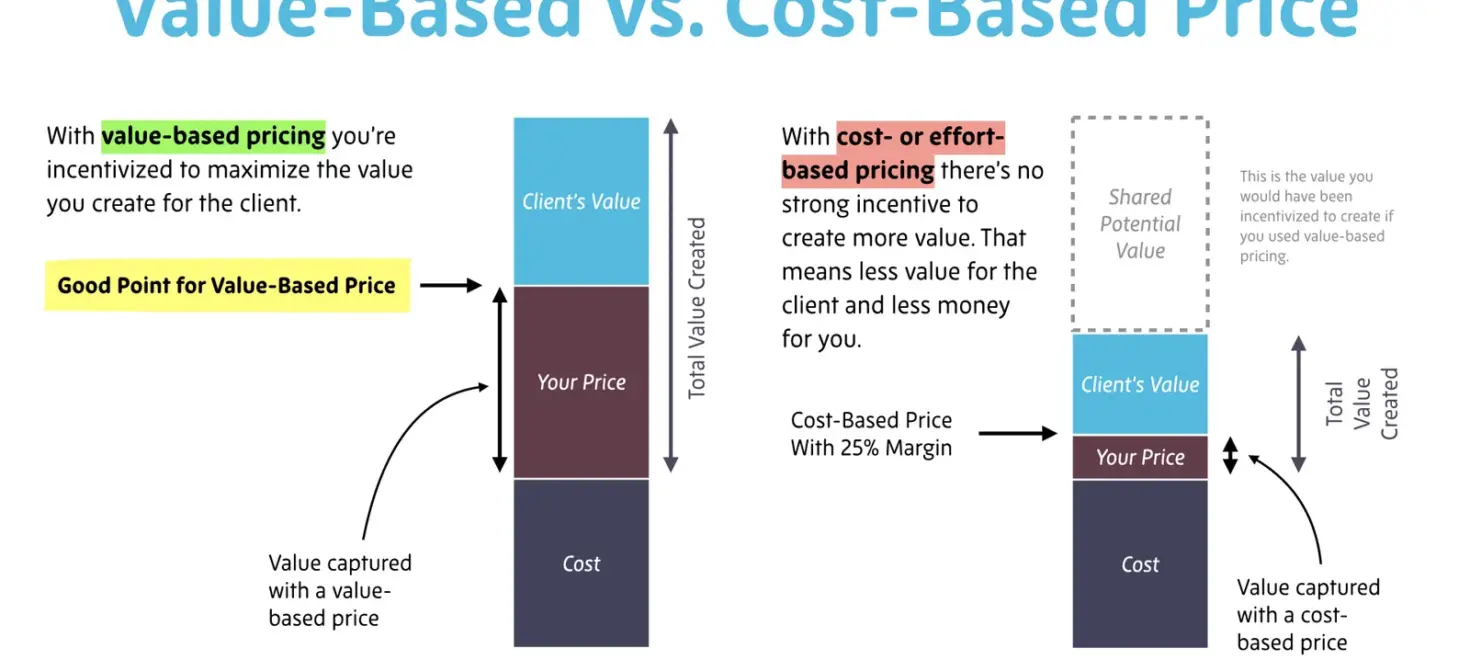
But in reality, Salesforce only feels expensive when it’s not delivering value.
At JSBC Labs, we’ve worked with organisations paying significant Salesforce fees — and still relying on spreadsheets, emails, and manual work. In those cases, the problem isn’t Salesforce pricing. It’s Salesforce underuse.
Understanding Where Salesforce Costs Come From
To understand Salesforce cost, you need to separate perception from reality.
Most Salesforce spend falls into three areas:
1. Licensing
Different users need different levels of access. Over-licensing is one of the most common (and avoidable) mistakes.
2. Implementation & Configuration
A poorly designed implementation creates long-term cost through rework, inefficiency, and user frustration.
3. Ongoing Administration & Enhancements
Salesforce is a living platform. It needs ownership, governance, and continuous improvement.
The mistake many organisations make is paying all three — without extracting the operational return.
The ROI Salesforce Is Actually Designed to Deliver
Salesforce ROI is rarely just about “selling more.”
The real value comes from:
- Reducing manual admin work
- Automating approvals and handovers
- Eliminating duplicated tools
- Improving data accuracy
- Speeding up decision-making
- Reducing reliance on email and spreadsheets
When Salesforce replaces headcount pressure or operational friction, it quickly justifies its cost.
If Salesforce is used only as a contact database, then yes — it will feel overpriced.
Why Salesforce Gets Blamed for Bad Design Decisions
Salesforce is often positioned as “low-code” or “no-code,” which leads some organisations to underestimate the importance of architecture.
Common cost drivers we see:
- Over-customisation instead of configuration
- Building for edge cases instead of core workflows
- No role-based design
- No automation strategy
- No post-go-live roadmap
These decisions create systems that are expensive to maintain — not because Salesforce is costly, but because the design is.
How to Make Salesforce Worth the Investment
At JSBC Labs, we focus on making Salesforce lean, purposeful, and outcome-driven.
That means:
- Assigning the right license to the right role
- Designing automation around real daily work
- Removing unnecessary fields and screens
- Building scalable foundations instead of quick fixes
- Measuring ROI in time saved, not just revenue gained
Salesforce should reduce operational friction — not add to it.
Salesforce vs “Cheaper” Alternatives
Many companies compare Salesforce to lower-cost CRMs and wonder why they should pay more.
The difference lies in what happens next.
Salesforce:
- Scales without replatforming
- Supports complex processes
- Integrates deeply with enterprise systems
- Evolves continuously
Cheaper tools often require replacement just as a business hits scale — at far greater cost.
The JSBC Labs View
Salesforce is not cheap … and it shouldn’t be.
It’s designed to be a long-term platform, not a disposable tool.
When implemented correctly, Salesforce becomes one of the highest-ROI systems in a business.
The question isn’t “Is Salesforce expensive?”
It’s “Are we using it properly?”
Final Thought
Salesforce doesn’t charge for features.
It charges for capability.
When that capability is unlocked, Salesforce stops feeling expensive — and starts feeling essential.