
Digital transformation has been on the agenda for years, yet for many organizations, progress remains frustratingly slow.
Large-scale initiatives often involve complex integrations, extended timelines, and significant upfront investment. While the ambition is high, the reality is that many of these projects take too long to deliver value. By the time they are completed, business needs have evolved, and the solutions themselves risk becoming outdated.
It doesn’t have to be this way.
A growing number of organizations are rethinking how transformation happens. Instead of treating it as a massive, one-time project, they are approaching it as a continuous, iterative process, one that delivers value incrementally and adapts along the way.
The traditional approach to transformation is rooted in long planning cycles. Teams attempt to define every requirement upfront, design comprehensive solutions, and then execute over extended periods. While this may seem thorough, it often leads to delays, misalignment, and missed opportunities.
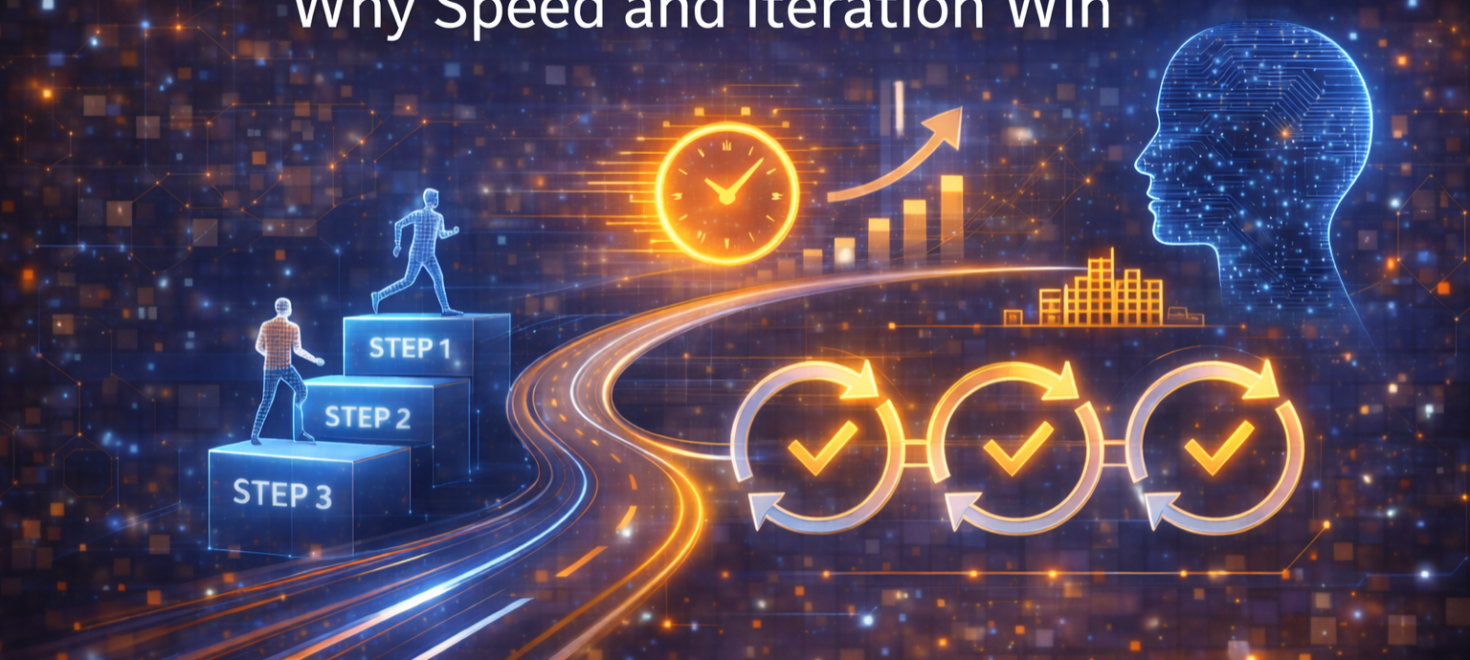
In contrast, an iterative approach focuses on momentum.
Rather than trying to solve everything at once, businesses identify high-impact use cases and tackle them in stages. Solutions are built and tested quickly, allowing teams to validate assumptions early and make adjustments based on real-world feedback. Each iteration delivers tangible value, creating a steady progression toward larger transformation goals.
Salesforce is particularly well-suited to support this approach.
Its cloud-based architecture, combined with powerful tools like MuleSoft for integration, Einstein for AI-driven insights, and low-code development capabilities, allows organizations to evolve their systems without rebuilding them entirely. This flexibility enables faster execution while maintaining alignment with existing processes and data.
What makes this approach effective is its focus on continuous value delivery.
Instead of waiting months or years for a single major release, businesses can implement improvements in shorter cycles. Each phase delivers measurable outcomes, whether it’s improved customer experience, increased efficiency, or better access to data. These incremental gains build momentum and provide a foundation for ongoing innovation.
More importantly, this model keeps transformation aligned with the business.
As market conditions change and new opportunities emerge, organizations can adapt their approach without derailing the entire initiative. This level of agility is critical in today’s environment, where change is constant and speed is essential.
Digital transformation is no longer about catching up. It’s about staying ahead.
The organizations that succeed are not the ones with the most ambitious plans, but the ones that can execute, adapt, and deliver value continuously. By embracing speed and iteration, businesses can turn transformation from a slow, uncertain process into a dynamic, results-driven capability.


